
Meet the pocket bully, a cute and compact dog that’s winning hearts everywhere. This pup is a mix of the American bully and the Patterdale terrier. They’re small but mighty, with a big personality in a tiny package.
Pocket bullies are the smallest type of American bully, standing about 13 to 17 inches tall and weighing 30 to 50 pounds. These dogs have a stocky build, wide chest, and muscular body. Their faces are usually wrinkly, with a short snout and floppy ears.
People love pocket bullies for their friendly nature. They’re great with kids and make loyal pets. While they may look tough, these dogs are often gentle giants at heart. They need daily exercise and lots of love to stay happy and healthy.
Breed Overview
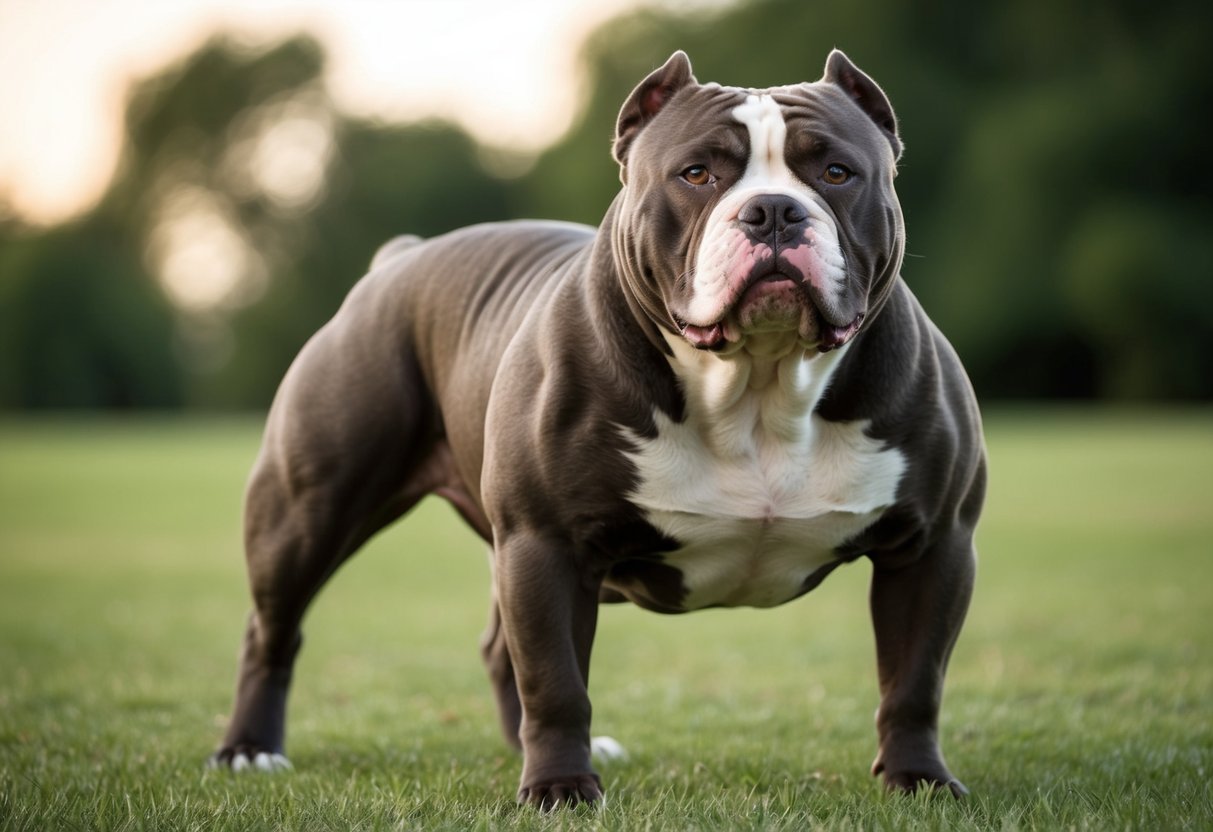
The Pocket Bully is a small but muscular dog breed. It combines the strength of larger bullies with a compact size. These dogs are known for their friendly nature and sturdy build.
Origin and History
The Pocket Bully is a newer designer dog breed. It came about by mixing American Pit Bull Terriers with smaller breeds like Patterdale Terriers. Breeders wanted to create a smaller version of the American Bully.
The goal was to keep the muscular look and friendly personality in a more compact package. This mix started in the late 20th century. Breeders worked hard to set the traits they wanted.
Over time, the Pocket Bully became its distinct breed. It gained fans who loved its small size and big personality.
Pocket Bully vs American Bully
Pocket Bullies are smaller than standard American Bullies. They usually stand under 17 inches tall at the shoulder. American Bullies can be much taller.
Both breeds have similar looks:
- Wide chests
- Big heads
- Muscular bodies
But Pocket Bullies are more compact. They often weigh between 30-50 pounds. American Bullies can weigh up to 120 pounds.
Temperament is similar in both breeds. They’re known to be:
- Friendly
- Good with families
- Loyal
Recognized Varieties
The American Bully Kennel Club (ABKC) recognizes the Pocket Bully. It’s one of four sizes in the American Bully breed:
- Standard
- Classic
- XL
Pocket is the smallest variety. It has strict height limits:
- Males: 14-17 inches
- Females: 13-16 inches
The American Kennel Club (AKC) doesn’t recognize Pocket Bullies yet. But the breed’s popularity is growing fast among dog lovers.
Physical Characteristics
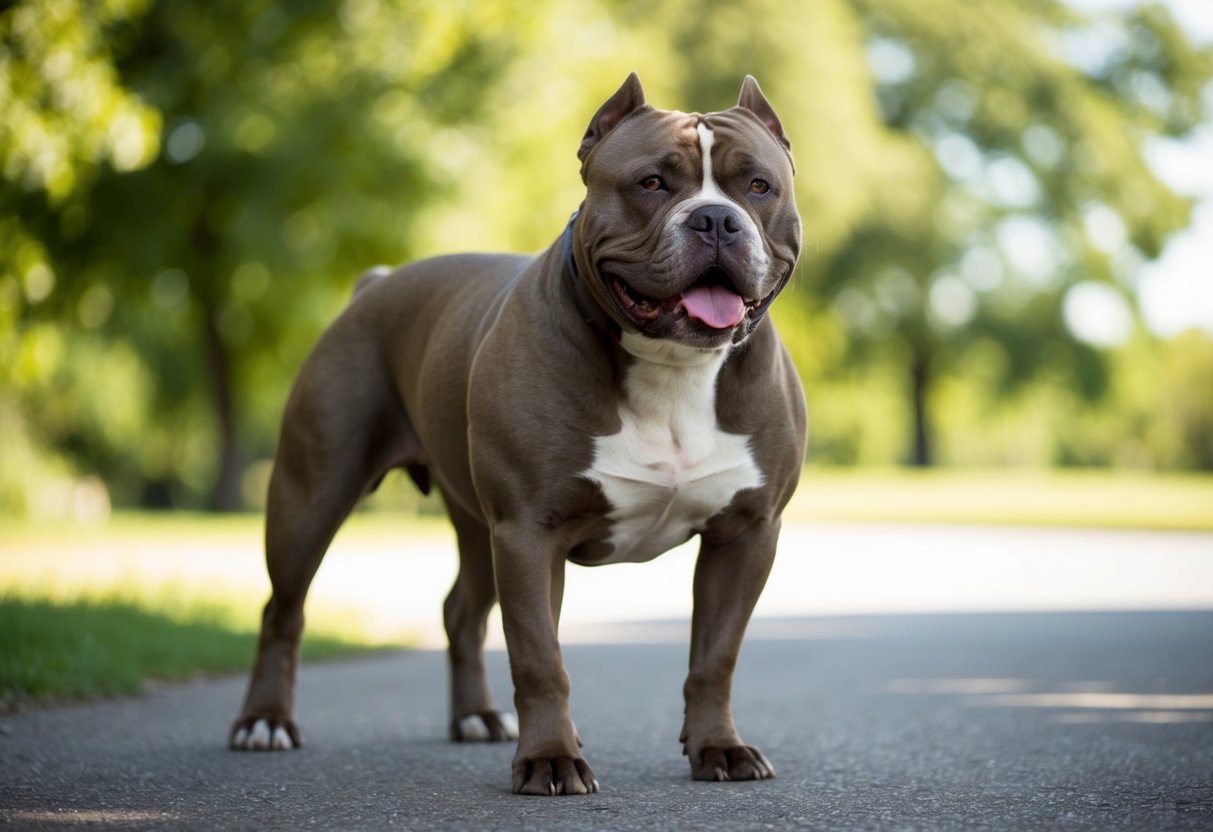
Pocket Bullies are small but mighty dogs with unique features. They pack a lot of muscle into their compact frames and have distinct looks that set them apart from other breeds.
Size and Weight
Pocket Bullies are the smallest type of American Bully. They stand between 13 and 17 inches tall at the shoulder. These little powerhouses typically weigh 11 to 24 pounds when fully grown.
Their small size makes them great for apartments or homes with limited space. Don’t let their size fool you though – these dogs are sturdy and strong for their compact frame.
Build and Appearance
Pocket Bullies have a stocky, muscular build with short legs. Their bodies are compact but powerful. They have broad chests and big, blocky heads.
These dogs look tough but have sweet faces. Their eyes are usually round and expressive. Pocket Bullies often have wrinkly foreheads that give them a thoughtful look.
Their tails are short and can be straight or slightly curved. Some Pocket Bullies have cropped ears, while others have natural floppy ears.
Coat and Shedding
Pocket Bullies have short, smooth coats that are easy to care for. Their fur is dense and feels soft to the touch. These dogs can come in many colors and patterns.
Common coat colors include:
- Red
- Black
- Fawn
- White
- Blue
- Merle
- Tri-color
- Lilac
- Brown
Pocket Bullies shed a moderate amount. They’re not hypoallergenic, but their short coats don’t shed as much as some other breeds. Regular brushing helps keep shedding under control.
Breed-Specific Features
Pocket Bullies have some unique traits that make them stand out. They have adorable wrinkles on their faces and bodies. Their heads are large compared to their body size.
These dogs often have a slight underbite. This gives them a distinctive profile. Their muzzles are short and wide, which can lead to some snoring or snorting sounds.
Pocket Bullies have strong jaws and muscular necks. Their eyes can sometimes bulge slightly. This cute feature needs extra care to prevent eye problems.
Despite their tough looks, Pocket Bullies are known for their friendly nature. They combine the best traits of bulldogs and other bully breeds in a pint-sized package.
Temperament and Personality
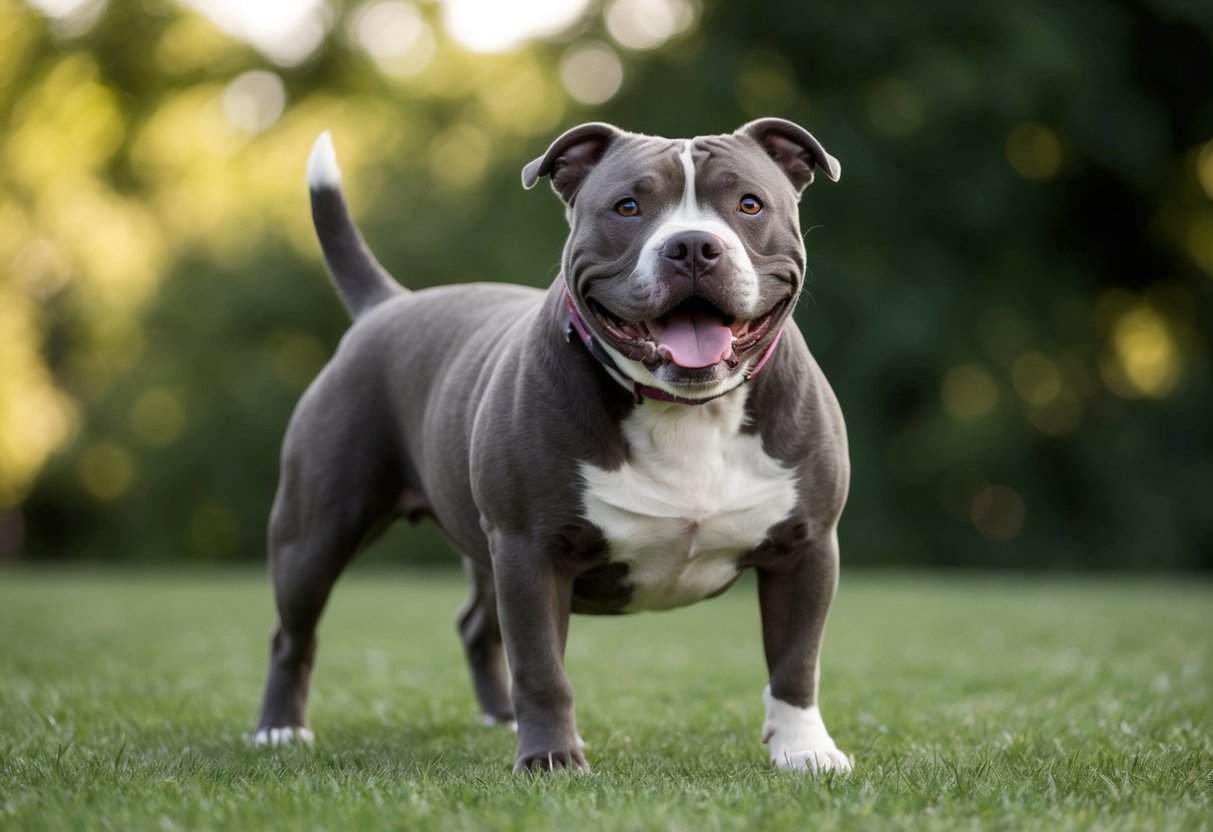
Pocket Bullies are known for their friendly and loving nature. These dogs have a unique blend of traits that make them great companions for many types of families.
General Disposition
Pocket Bullies are gentle and affectionate dogs. They have a calm demeanor but also enjoy playtime. These pups are smart and pick up on training quickly.
They need lots of love and attention from their owners. Without it, they can get sad or anxious. Pocket Bullies are active and like to stay busy.
They do best with regular exercise and mental stimulation. This helps prevent boredom and destructive behaviors.
Interaction with Family
Pocket Bullies are loyal and loving family pets. They form strong bonds with their owners and love to cuddle. These dogs are patient and great with kids.
Many people call them “nanny dogs” because they’re so good with little ones. They’re playful but gentle, making them fun playmates for children.
Pocket Bullies need lots of attention and don’t like being left alone for long periods. They may get separation anxiety if not properly trained.
Behavior Towards Strangers
While friendly, Pocket Bullies can be protective of their families. They may be wary of strangers at first but warm up quickly with proper introductions.
Early socialization is important to help them feel comfortable around new people. This helps prevent any fear or aggression towards strangers.
With good training, they can be welcoming to visitors. Pocket Bullies aren’t typically aggressive, but they may bark to alert their owners of newcomers.
Compatibility with Other Pets
Pocket Bullies can get along well with other pets when raised together. They’re generally friendly with other dogs, especially if socialized early.
Their playful nature means they often enjoy having furry friends. However, proper introductions are key when bringing new pets into the home.
Some Pocket Bullies may have a strong prey drive. This means they might chase smaller animals like cats or rabbits. Supervision is important when introducing them to smaller pets.
Health and Lifespan
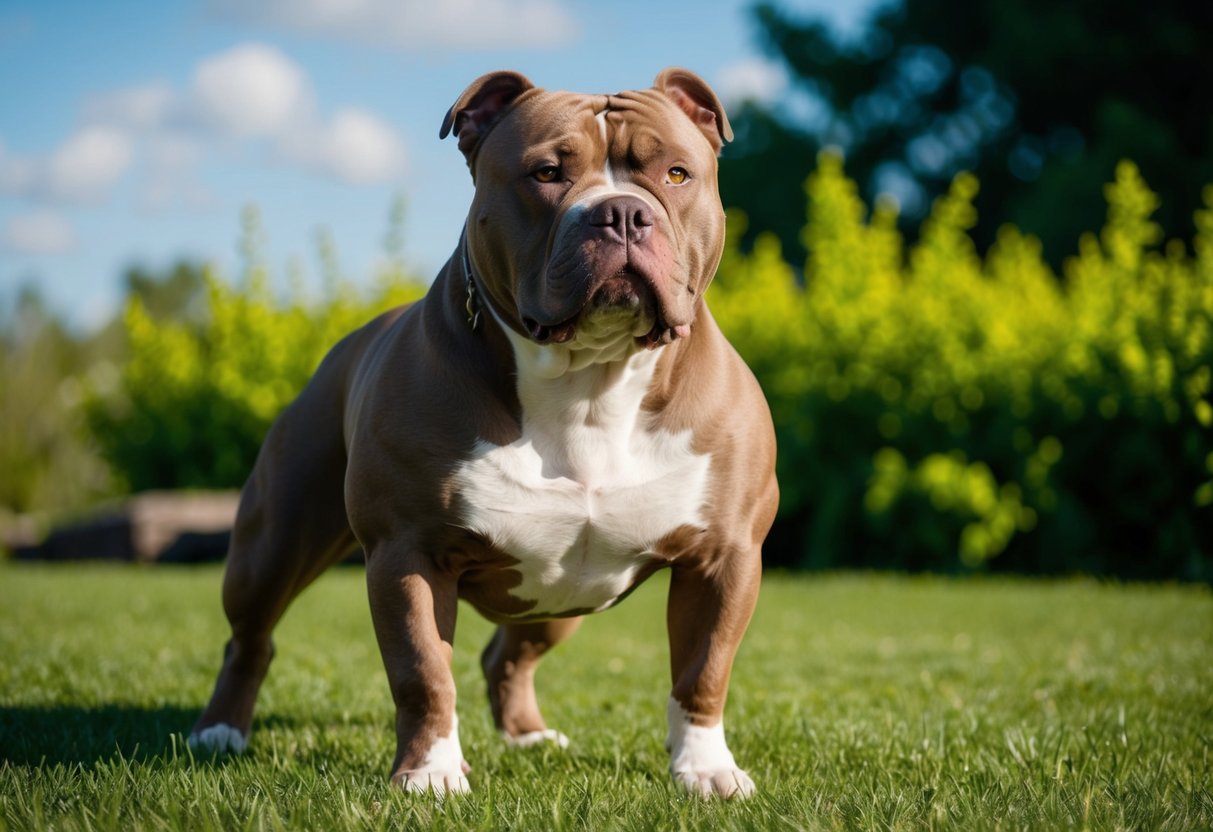
Pocket Bullies need regular vet check-ups and a healthy lifestyle to stay in top shape. These dogs can face some health issues, but with good care, they often live long, happy lives.
Common Health Issues
Pocket Bullies may deal with some health problems. Hip dysplasia can affect their movement. This happens when the hip joint doesn’t fit right in its socket.
Eye problems can also pop up. These might include cherry eye or cataracts. Owners should watch for any changes in their dog’s eyes.
Some Pocket Bullies get skin issues like eczema. This can make them itchy and uncomfortable. Regular baths and the right diet can help keep their skin healthy.
Bloat is another worry. It’s when a dog’s stomach fills with gas and twists. This is serious and needs quick vet care.
Expected Lifespan
Good news! Pocket Bullies often live 11 to 13 years. Some may even live longer with great care. Their lifespan depends on many things.
Diet plays a big role. Pocket Bullies need the right food to stay healthy. Exercise is key too. Daily walks and playtime keep them fit and happy.
Genetics matter as well. Dogs from good breeders might live longer. They often have fewer health issues.
Veterinary Care
Regular vet visits are super important for Pocket Bullies. Vets can catch health issues early. This makes treatment easier and more effective.
Puppies need several check-ups in their first year. They get shots to prevent diseases. As adults, yearly check-ups are a must.
Dental care is vital too. Vets can clean teeth and check for problems. At home, owners should brush their dog’s teeth often.
Weight checks are key. Pocket Bullies can gain weight easily. Vets help create diet plans to keep them at a healthy weight.
Care Requirements
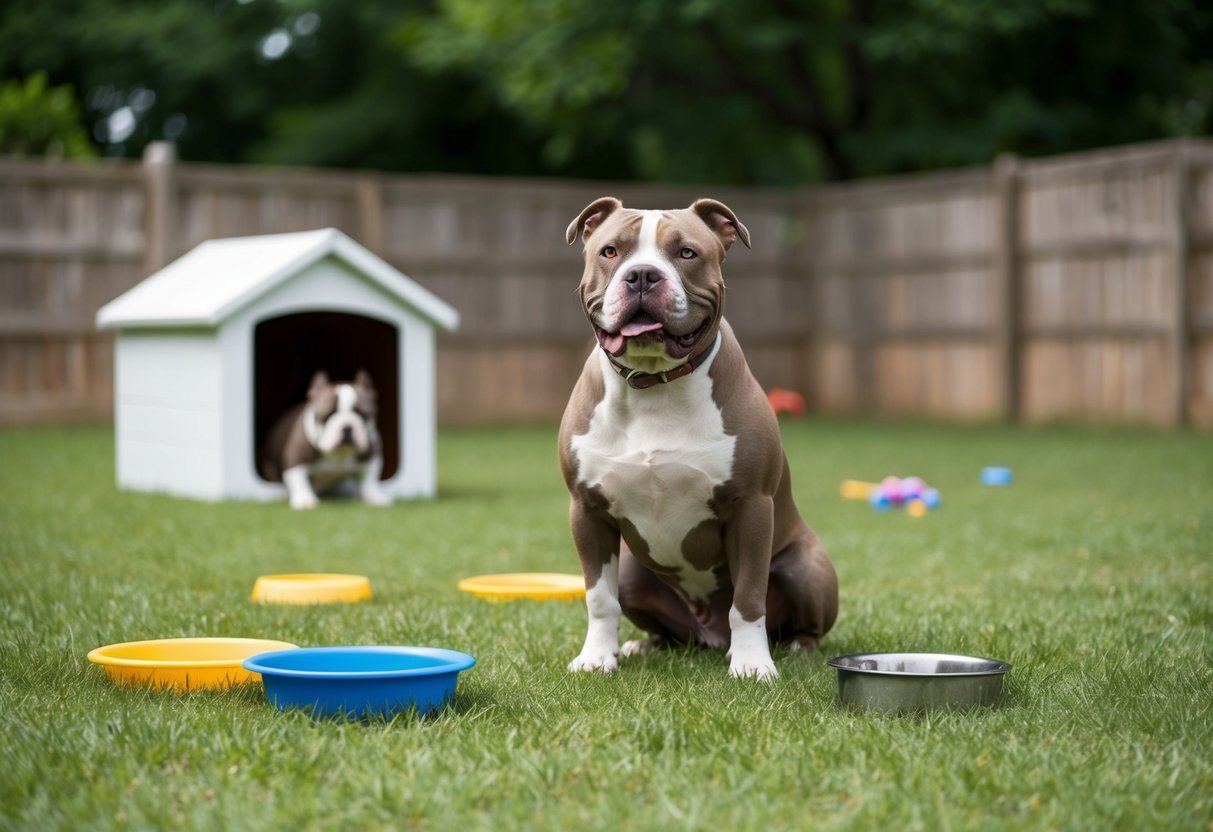
Pocket Bullies need special care to stay healthy and happy. They have unique needs for food, exercise, and grooming.
Diet and Nutrition
Pocket Bullies need a balanced diet to stay fit. High-quality dog food is a must. Look for food with real meat as the first ingredient.
These dogs can gain weight easily. Feed them 2-3 small meals a day instead of one big meal. This helps prevent bloat.
Watch their weight and adjust food amounts as needed. Treats should make up no more than 10% of their daily calories.
Fresh water should always be available. Some Pocket Bullies may have food allergies. If you notice skin issues, talk to your vet about changing their diet.
Exercise Needs
Pocket Bullies need moderate exercise. A daily 30-60 minute walk is great. They also enjoy playtime in a fenced yard.
These dogs can overheat quickly. Avoid exercise in hot weather. Short play sessions work well for them.
Mental exercise is important too. Puzzle toys and training games keep their minds sharp. Agility courses can be fun if done in short bursts.
Swimming is a good low-impact exercise. But always supervise them near water. Pocket Bullies aren’t natural swimmers.
Grooming and Maintenance
Pocket Bullies have short coats that are easy to groom. Brush them once a week to remove loose hair. This also spreads skin oils for a healthy coat.
Bathe them every 4-6 weeks or when dirty. Use a gentle dog shampoo to avoid skin irritation. Check for skin issues during baths.
Brush their teeth 2-3 times a week. This prevents gum disease. Dental chews can help too.
Trim nails every 2-3 weeks. If you hear clicking on the floor, they’re too long. Clean their ears weekly with a damp cloth. Don’t use cotton swabs.
Check for signs of allergies like itching or redness. These dogs can have sensitive skin. Regular grooming helps spot problems early.
Breeding and Puppies
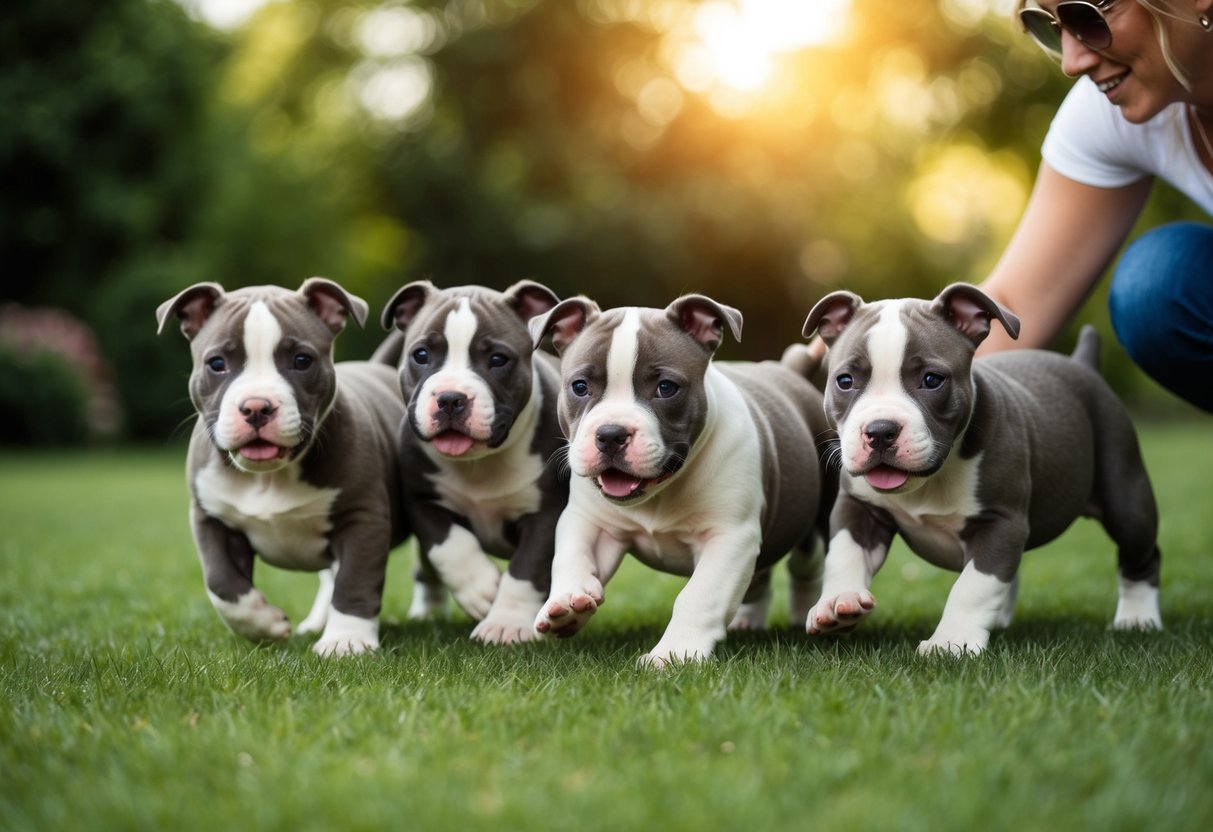
Pocket Bullies need careful breeding and special care as
Selecting a Breeder
Finding a good Pocket Bully breeder is key. Look for breeders who test their dogs for health issues. A good breeder will let you meet the puppy’s parents and see where the
Ask to see health records and American Bully Kennel Club papers. Good breeders will ask you questions too. They want to make sure their
Avoid breeders who have lots of litters or many different breeds. Be wary of very cheap
Cost of Ownership
Pocket Bullies can be pricey pups. The initial cost for a puppy can range from $1,500 to $5,000 or more. But that’s just the start.
You’ll need to budget for:
- Food (high-quality)
- Vet visits
- Vaccines
- Toys and treats
- Training Classes
Don’t forget about surprise costs. Pocket Bullies might need special care for skin issues or joint problems. Pet insurance can help with big vet bills.
Puppy Care and Training
Pocket Bully
Start training early. Use positive methods like treats and praise. Teach basic commands like sit, stay, and come. Socialization is super important too.
Puppy-proof your home. These little guys are curious and strong. They might chew on things they shouldn’t.
Feed your pup a high-quality diet made for growing
Regular vet check-ups are a must. Keep up with vaccines and deworming. With good care, your Pocket Bully puppy will grow into a happy, healthy adult.
Living with a Pocket Bully
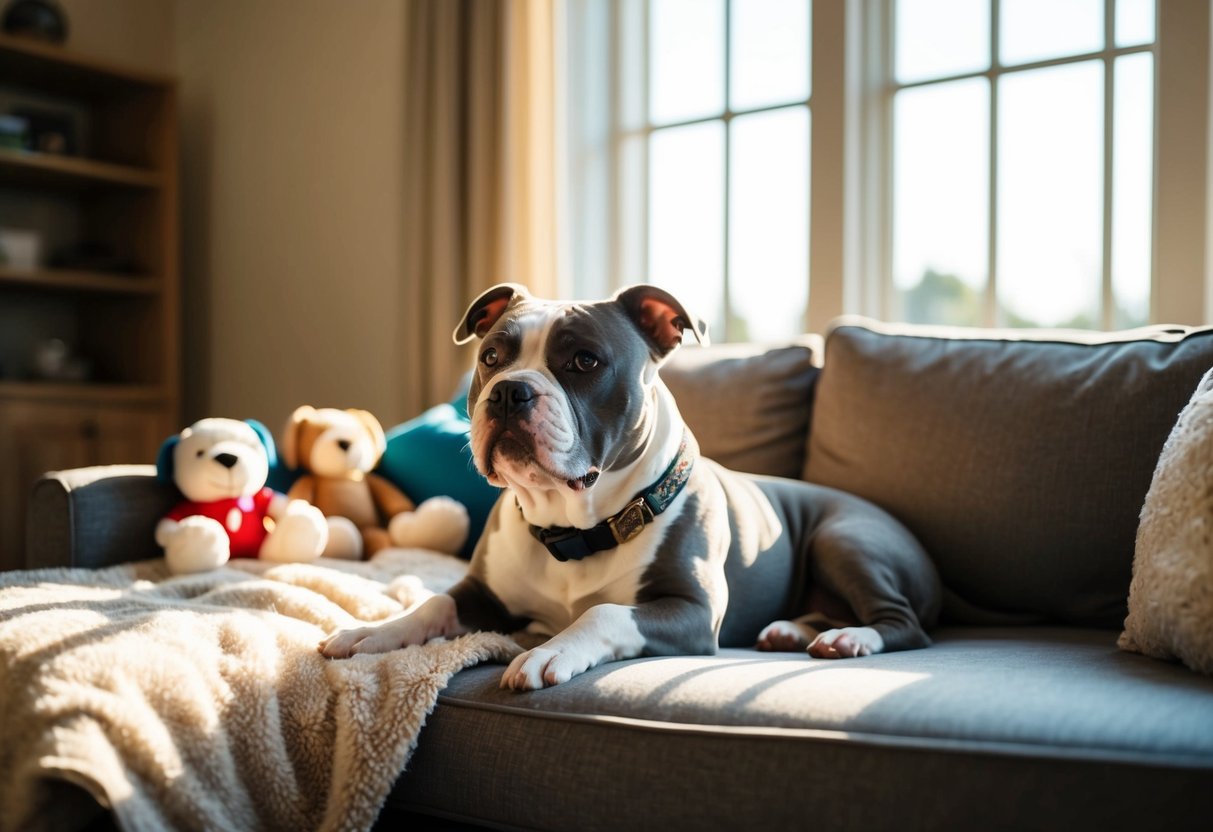
Pocket Bullies make great pets for many homes. They are friendly and adaptable dogs that can thrive in different living situations. These compact pups enjoy being part of family life and can get along well with people of all ages.
Suitability for Apartment Living
Pocket Bullies are well-suited for apartment living. Their small size means they don’t need a lot of space. These dogs are usually calm indoors and don’t bark much.
They only need moderate exercise. A daily walk and some playtime are enough to keep them happy. Pocket Bullies love to nap and cuddle, making them perfect for cozy apartments.
It’s important to give them mental stimulation too. Puzzle toys and training games can help keep their minds active in smaller spaces.
Adapting to Family Life
Pocket Bullies fit nicely into family life. They are gentle and patient with kids. These dogs love to play and can be great playmates for children.
They form strong bonds with their families. Pocket Bullies often want to be near their people and enjoy cuddle time on the couch.
Training is key for a well-behaved family dog. Start socializing Pocket Bully puppies early. Teach them good manners around people and other pets.
These dogs can get along with other family pets too. Slow introductions and supervision are important at first.
Interaction with the Community
Pocket Bullies can be friendly with strangers when properly socialized. They often enjoy meeting new people and can be quite charming.
Taking your Pocket Bully on walks is a great way to interact with neighbors. These cute dogs often attract attention and can be conversation starters.
It’s important to follow local
Pocket Bullies can do well at dog parks if they’re socialized. Start with calmer, controlled meet-ups before trying busy parks.
Remember that some people might be scared of bully breeds. Be patient and let your dog’s friendly nature shine through.


